
India–EU FTA: Zero Duty Is Not Zero Compliance
The India–EU FTA removes the 8–12% tariff on Indian textiles entering Europe. But ESPR, DPP and EPR rules still gate market access. Here is what exporters need to prepare — and when.
Read article
Without trusted traceability, compliance becomes costly, ESG reporting remains incomplete, and circular economy goals stay out of reach.
Global textile supply chains remain opaque and disconnected
Sustainability claims are difficult to verify and validate
Regulators and buyers increasingly demand transparency
Rural producers and loom workers are often excluded from global value
A short film on how Tracetex is working with the future of fashion and with the global textile economy.
Tracetex provides digital traceability infrastructure that records, connects, and verifies data across every stage of textile production.
Complete traceability from raw material origin to final product
Unique digital identities for textiles and apparel
Sustainability metrics and reporting workflows
Circular economy and end-of-life tracking
Circular Economy
Supporting emerging markets while aligning with global expectations
How it works — from fiber to finished product.
Fiber origin, handloom, and production data captured digitally.
Processing and transformation data recorded at each stage.
Unique digital identity and Digital Product Passport.
Reliable data for ESG reviews and disclosures.
Verified product journey with full transparency.
A single traceability infrastructure supporting multiple languages, regions, and markets.
Digital Product Passport
বাংলা (Bengali)
Product Name
Category
হাতে বোনা রেশম কাপড়
Origin
মুর্শিদাবাদ, পশ্চিমবঙ্গ, ভারত
Material
তসর সিল্ক ফাইবার, স্থানীয় রেশম চাষ থেকে সংগৃহীত
Production
ঐতিহ্যবাহী হাতে বোনা পদ্ধতি, প্রাকৃতিক রং, স্থানীয় কারিগর দ্বারা তৈরি
Sustainability
জল: কম ব্যবহার | শক্তি: ম্যানুয়াল | বর্জ্য: ন্যূনতম | শ্রম: স্থানীয় কারিগর
Lifecycle
পুনর্ব্যবহারযোগ্য, জৈব অবক্ষয়যোগ্য, মেরামত সম্ভব
Core Interoperable Traceability
CIT is the backbone that allows local textile data to move globally without losing meaning or context.
Single infrastructure supports textile traceability across countries.
Generate passports in any language without changing data structure.
One traceability framework across all regions and product types.
Simple data capture, scalable infrastructure for MSMEs.
Designed for India
Rural producers and MSMEs can participate in global transparency without complex systems.
This is an infrastructure demonstration. All Digital Product Passports shown are sample representations.
Tracetex helps organizations structure and access reliable sustainability data across the textile value chain.
True sustainability extends beyond production. Tracetex enables complete lifecycle management connecting India with the world.
Tracetex is built with global markets in mind. We provide compliance-ready digital foundations.
Built to help government bodies run national and state-level textile traceability programs — from export clusters to handloom districts — with real-time visibility into compliance and circularity.
National and state-level programs across textile clusters, export zones, and handloom districts.
Real-time dashboards tracking progress against sustainability and compliance goals.
Digital certification infrastructure that helps Indian exporters meet global buyer and regulatory requirements.
Digital identities and authenticity certificates for India's 43 lakh handloom weavers, giving rural artisans direct global visibility.
Tap any card to read. Practical guides on DPPs, traceability, GOTS, and ESG compliance.

The India–EU FTA removes the 8–12% tariff on Indian textiles entering Europe. But ESPR, DPP and EPR rules still gate market access. Here is what exporters need to prepare — and when.
Read article
The revised EU Waste Framework Directive makes textile EPR mandatory across every member state by June 2027, with fees tied to product circularity. Here is what it means upstream — in India.
Read article
The textile industry generates 92 million tonnes of waste a year and recycles under 1% of it back into new fiber. The barrier is not technology or willingness — it is that recyclers cannot identify what a garment is made of. Here is why that is an information problem and what fixes it.
Read article
India has 26.7 lakh handloom weavers, over 72% of them women. Their problem was never production — it was proof. Here is how a verifiable digital identity turns a craft that can only be claimed into a craft that can be proven, and why that changes what a weaver gets paid.
Read article
Product transparency has moved from marketing buzzword to consumer requirement. Learn how Digital Product Passports and textile traceability are rebuilding trust between fashion brands and modern buyers.
Read article
Digital Product Passport counterfeiting defense is transforming the textile industry — giving brands, retailers and consumers a verifiable way to authenticate garments, trace supply chains and eliminate fakes.
Read article
Certification bodies can digitize their services, reduce fraud, increase visibility, and unlock new revenue opportunities by integrating with Tracetex, India's intelligent textile traceability and Digital Product Passport platform.
Read article
Certification agencies can modernize operations, create recurring digital revenue streams, prevent certificate fraud, and become essential contributors to the global Digital Product Passport ecosystem with Tracetex.
Read article
Discover how Tracetex helps fashion brands improve transparency, reduce textile waste, support circularity, and contribute to global climate goals through Digital Product Passports and textile traceability.
Read article
The future of textiles is circular. Discover how Tracetex uses Digital Product Passports, QR-based traceability and lifecycle data to reduce textile waste, enable circular fashion and support ESG compliance across the global supply chain.
Read article
QR code traceability is becoming the simplest way to give every garment a verifiable digital identity. Here is how brands, manufacturers and retailers use QR-enabled Digital Product Passports to deliver real product transparency at scale.
Read article
ESG compliance is no longer optional for textile manufacturers selling into the EU, UK and other regulated markets. This roadmap explains what ESG actually means in textiles, what buyers expect, and how Digital Product Passports simplify ESG reporting.
Read article
Globally recognized certifications like GOTS, OEKO-TEX and GRS remain essential for sustainable fashion — but on their own they cannot deliver product-level transparency. Here is how Digital Product Passports work alongside certification ecosystems to close the gap.
Read article
India is one of the largest textile and apparel producers in the world. Here is how Digital Product Passports — supported by platforms like Tracetex — can help Indian manufacturers, brands and exporters meet rising global expectations for transparency.
Read article
Wash care tags and basic QR codes were built for a different era. Here is how a Digital Product Passport turns a garment into a connected product — and why fashion brands need to make the shift.
Read article
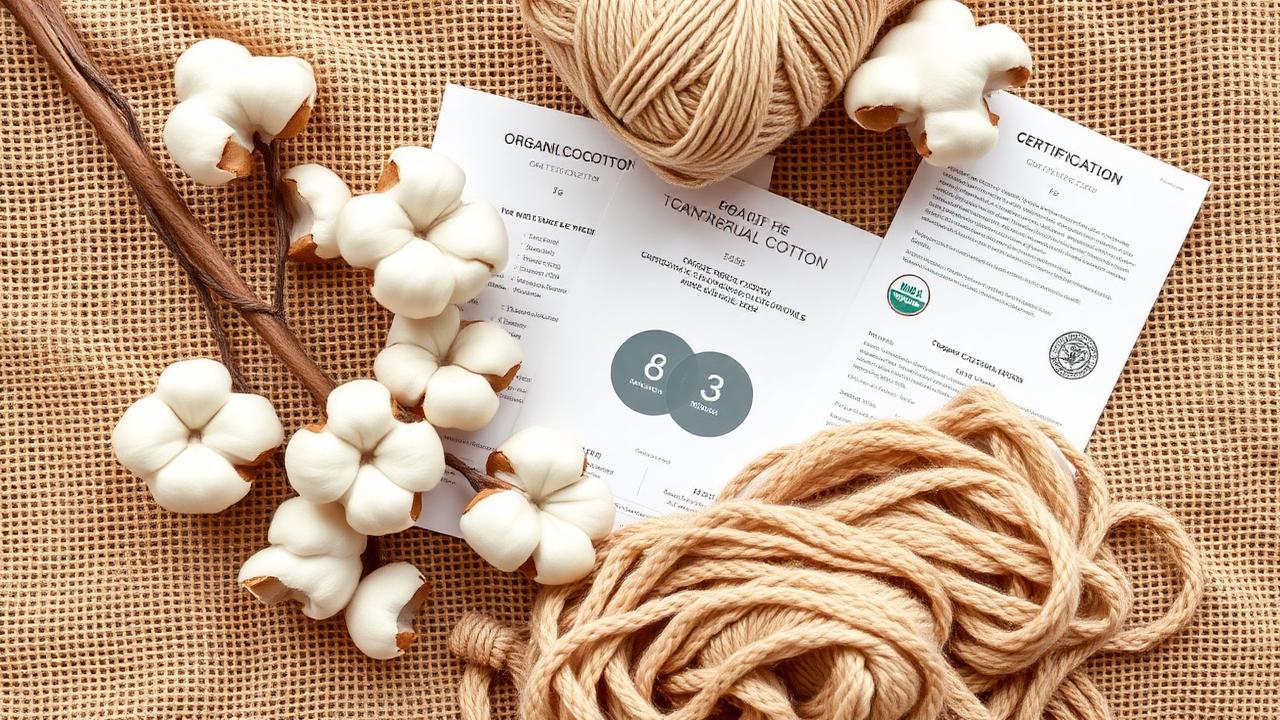
Most garments lose their value the moment they leave the store. Digital Product Passports keep that value alive across resale, repair and recycling — and unlock a true circular fashion economy.
Read article
Sustainability claims are everywhere in fashion. Proof is rare. This is how traceability closes the transparency gap and transforms marketing into evidence.
Read article
The next revolution in fashion is not a fabric. It is data. Here is why every garment will soon carry a digital identity — and what that means for brands, consumers, and the circular economy.
Read article
A digital product passport (DPP) is a structured digital record that carries verifiable information about a product across its lifecycle. Here is how it works, why the EU is mandating it, and what it means for textiles.
Read article
A clear breakdown of EU digital product passport requirements for the textile industry: what data is mandatory, who needs to comply, the ESPR timeline, and how to start preparing.
Read article
A practical, step-by-step playbook for fashion brands preparing for the EU digital product passport — from supply chain mapping to product-level identity to data carriers.
Read article
A practical guide to GOTS certification in India — what it is, who needs it, how the process works, what it costs in time, and how it fits alongside digital product passports.
Read article
Pick up the shirt you are wearing right now. Can you trace where the fabric came from? Who processed it? Where it was stitched? For most people—the answer is no.
Read article
The word "traceability" is everywhere in fashion right now. But very few people actually understand what it means—or how it works in practice.
Read article
The India–EU FTA removes the 8–12% tariff on Indian textiles entering Europe. But ESPR, DPP and EPR rules still gate market access. Here is what exporters need to prepare — and when.
Read article
The revised EU Waste Framework Directive makes textile EPR mandatory across every member state by June 2027, with fees tied to product circularity. Here is what it means upstream — in India.
Read article
The textile industry generates 92 million tonnes of waste a year and recycles under 1% of it back into new fiber. The barrier is not technology or willingness — it is that recyclers cannot identify what a garment is made of. Here is why that is an information problem and what fixes it.
Read article
India has 26.7 lakh handloom weavers, over 72% of them women. Their problem was never production — it was proof. Here is how a verifiable digital identity turns a craft that can only be claimed into a craft that can be proven, and why that changes what a weaver gets paid.
Read article
Product transparency has moved from marketing buzzword to consumer requirement. Learn how Digital Product Passports and textile traceability are rebuilding trust between fashion brands and modern buyers.
Read article
Digital Product Passport counterfeiting defense is transforming the textile industry — giving brands, retailers and consumers a verifiable way to authenticate garments, trace supply chains and eliminate fakes.
Read article
Certification bodies can digitize their services, reduce fraud, increase visibility, and unlock new revenue opportunities by integrating with Tracetex, India's intelligent textile traceability and Digital Product Passport platform.
Read article
Certification agencies can modernize operations, create recurring digital revenue streams, prevent certificate fraud, and become essential contributors to the global Digital Product Passport ecosystem with Tracetex.
Read article
Discover how Tracetex helps fashion brands improve transparency, reduce textile waste, support circularity, and contribute to global climate goals through Digital Product Passports and textile traceability.
Read article
The future of textiles is circular. Discover how Tracetex uses Digital Product Passports, QR-based traceability and lifecycle data to reduce textile waste, enable circular fashion and support ESG compliance across the global supply chain.
Read article
QR code traceability is becoming the simplest way to give every garment a verifiable digital identity. Here is how brands, manufacturers and retailers use QR-enabled Digital Product Passports to deliver real product transparency at scale.
Read article
ESG compliance is no longer optional for textile manufacturers selling into the EU, UK and other regulated markets. This roadmap explains what ESG actually means in textiles, what buyers expect, and how Digital Product Passports simplify ESG reporting.
Read article
Globally recognized certifications like GOTS, OEKO-TEX and GRS remain essential for sustainable fashion — but on their own they cannot deliver product-level transparency. Here is how Digital Product Passports work alongside certification ecosystems to close the gap.
Read article
India is one of the largest textile and apparel producers in the world. Here is how Digital Product Passports — supported by platforms like Tracetex — can help Indian manufacturers, brands and exporters meet rising global expectations for transparency.
Read article
Wash care tags and basic QR codes were built for a different era. Here is how a Digital Product Passport turns a garment into a connected product — and why fashion brands need to make the shift.
Read article
Most garments lose their value the moment they leave the store. Digital Product Passports keep that value alive across resale, repair and recycling — and unlock a true circular fashion economy.
Read article
Sustainability claims are everywhere in fashion. Proof is rare. This is how traceability closes the transparency gap and transforms marketing into evidence.
Read article
The next revolution in fashion is not a fabric. It is data. Here is why every garment will soon carry a digital identity — and what that means for brands, consumers, and the circular economy.
Read article
A digital product passport (DPP) is a structured digital record that carries verifiable information about a product across its lifecycle. Here is how it works, why the EU is mandating it, and what it means for textiles.
Read article
A clear breakdown of EU digital product passport requirements for the textile industry: what data is mandatory, who needs to comply, the ESPR timeline, and how to start preparing.
Read article
A practical, step-by-step playbook for fashion brands preparing for the EU digital product passport — from supply chain mapping to product-level identity to data carriers.
Read article
A practical guide to GOTS certification in India — what it is, who needs it, how the process works, what it costs in time, and how it fits alongside digital product passports.
Read article
Pick up the shirt you are wearing right now. Can you trace where the fabric came from? Who processed it? Where it was stitched? For most people—the answer is no.
Read article
The word "traceability" is everywhere in fashion right now. But very few people actually understand what it means—or how it works in practice.
Read articleJoin India's trusted Digital Product Passport platform. Expand your reach, protect your brand integrity, and help manufacturers meet global compliance.
Digitally connect with manufacturers, brands, and exporters across India.
Enable verified certification data inside every product's Digital Product Passport.
Help brands present verified sustainability credentials securely.
Be part of the transparent textile revolution. Fill out this form to start the conversation.
Prefer email? Reach us directly at contact@tracetex.in